If you’ve ever found yourself thinking, “We know we need to reach beyond our walls—but what does that actually look like?”—you’re not alone. Many church leaders feel the tension and recognize the cultural shift. They see fewer first-time guests. They sense the need to try something new, but the next step isn’t always clear.
The good news? You don’t have to start from scratch.
Across the country, churches are already experimenting with new approaches—and seeing meaningful fruit.
Here are five ministry models that are helping churches reach people who may never walk through their doors.
1. Marketplace Ministry
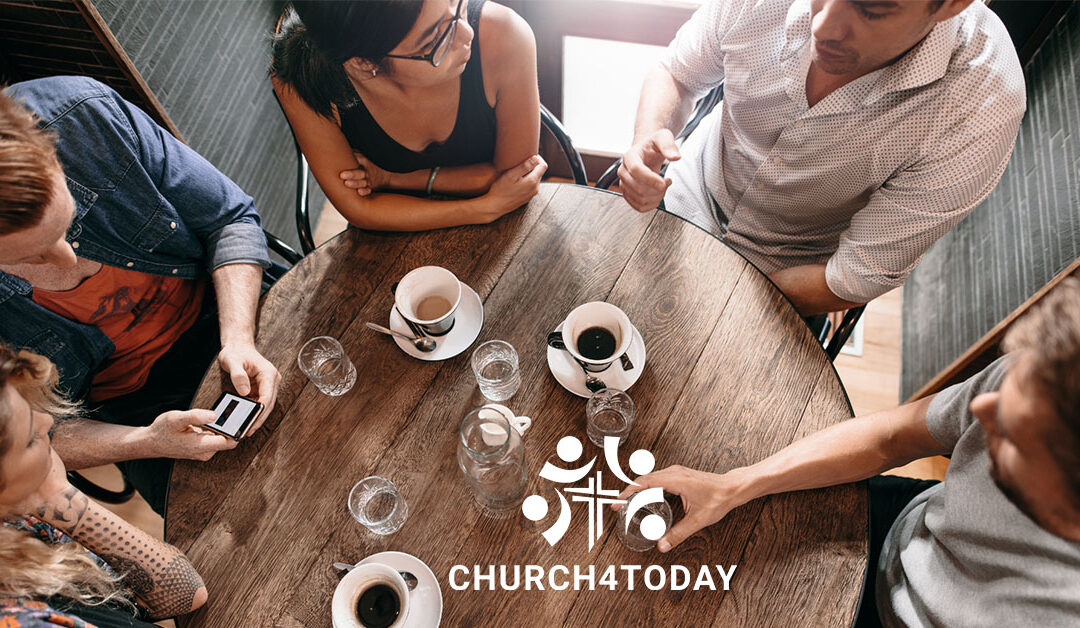
Instead of expecting people to come to church, this model brings ministry into everyday spaces. Think:
- Coffee shops
- Gyms
- Workplaces
- Community hubs
The goal isn’t to replicate a Sunday service—it’s to build relationships in places where people already feel comfortable. This creates natural opportunities for conversation, trust, and spiritual openness.
2. Microchurch / Scattered Church
Large gatherings have their place—but smaller, relational communities are often where transformation happens.
Microchurches are:
- Smaller groups
- Often home-based or community-based
- Focused on discipleship and mission
They remove barriers and create space for deeper connection. For many unchurched individuals, this feels far more accessible than a traditional service.
3. Community Social Enterprise
This model meets real needs while creating opportunities for ministry.
Examples include:
- Job training programs
- Coffee shops or community cafés
- Food initiatives
- Support services
The church becomes known not just for what it teaches—but for how it serves. And through that service, relationships are formed.
4. Digital & Hybrid Discipleship
Digital space is no longer optional—it’s mission territory.
This model treats online engagement as a legitimate front door:
- Online small groups
- Digital Bible studies
- Social media discipleship pathways
- Hybrid gatherings
For many people, digital is the first step toward spiritual exploration.
5. Partnership & Collaboration
You don’t have to do this alone. Many churches are finding new impact by partnering with:
- Other churches
- Nonprofits
- Schools
- Community organizations
Together, they can reach further and serve more effectively than they could individually.
The Real Question
As you look at these models, it’s easy to ask: “Which one is best?”
But that’s not the right question.
The better question is: Which one fits our context, our people, and our community?
Every church is different. Every community has unique needs. The goal is not to copy—it’s to discern.
Start Small, Stay Faithful
You don’t need to implement all five models. You don’t even need to fully launch one. You simply need to explore. Test an idea. Try a pilot. See what God does. Faithful experimentation is how renewal begins.
Want Help Choosing Your Next Step?
If you’re ready to explore these models more deeply, we’ve created a practical guide to help. Beyond the Sunday Service: 5 Models to Reach Unchurched Communities gives you:
- A deeper explanation of each model
- Real-world examples
- Questions to help you evaluate fit
- Simple starting points
Download the free guide and begin discerning your next step.
You don’t have to figure this out alone.