
Most leadership burnout doesn’t happen overnight. It builds gradually.
A decision here and a crisis there. Another initiative added without clarifying ownership.
Eventually, everything starts flowing back to one person—or a very small group of people.
In many churches, the senior pastor becomes the default problem-solver, final decision-maker, and communication hub. Staff feel unclear and volunteers feel unsure. Ministries begin to stall waiting for direction.
It doesn’t happen because leaders are weak. It happens because systems are undefined.
Without scalable infrastructure, growth creates fragility. Here’s what that often looks like:
- Meetings that produce more discussion than clarity
- Leaders unsure who has authority
- Volunteers stepping back because expectations are fuzzy
- Innovation slowing because everything feels reactive
Mission momentum can quietly turn into leadership fatigue.
The tragedy is that most churches don’t address systems until something breaks—a resignation, a conflict, or a plateau. But strengthening infrastructure is not complicated when approached intentionally.
It requires:
- Clear decision-making pathways
- Defined roles and responsibilities
- Communication rhythms
- Delegation frameworks
- Evaluation processes
These aren’t corporate concepts. They are stewardship tools.
If you want your church’s mission to scale without exhausting your people, systems must grow alongside vision. That’s why we developed a free guide to help you assess and strengthen your leadership infrastructure.
Healthy systems protect healthy leaders.
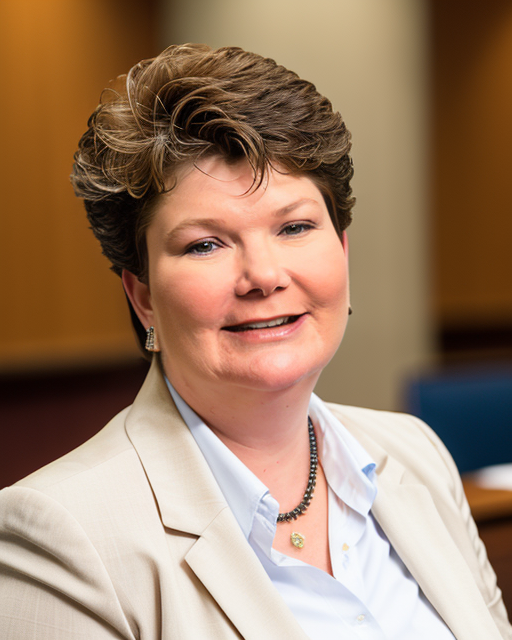
Dr. Tracee J. Swank guides Kingdom-minded leaders, churches, and entrepreneurs to clarify their purpose, reimagine mission, and multiply hope—so they can lead entrepreneurial movements that transform communities and advance the Great Commission.