

Ask most Christians who the sent ones are, and they will think of missionaries, pastors, and people in full-time ministry. There is a quiet, unspoken hierarchy in much of church life. At the top are those who do sacred work, the clergy and the missionaries. Below them are ordinary believers who support that work through their attendance, their giving, and their volunteering. This hierarchy feels normal, even reverent. It is also unbiblical, and it has sidelined the majority of God’s people from the very mission they were created to join.
The New Testament knows no such division between sacred professionals and secular spectators. It describes the whole people of God as a royal priesthood, every member gifted, every member sent. When Jesus gave the Great Commission, He did not address a special class of religious workers. He addressed all His followers. The sending was never meant to be subcontracted to a few professionals while everyone else watched from the pews. Every believer is sent. But have they been told? And have their churches equipped them to live like it?
This is where a robust theology of vocation becomes essential. Vocation means calling, and the biblical idea is far larger than the modern reduction of it to a job. Your vocation is the whole shape of your life as a person sent by God, including your work, your relationships, your family, your community, and the particular place and people God has positioned you among. Every believer has a vocation, a specific arena where they are called to make the Kingdom of God visible through faithful living and loving service. For most people, that arena is not the church building. It is the ordinary world of their daily life.
Recovering this changes how believers see their entire week. The schoolteacher is not merely employed; she is sent, called to reflect Christ to her students and colleagues, to do excellent work as an act of worship, to bring the Kingdom to bear in a classroom no pastor will ever enter. The accountant, the nurse, the contractor, the parent at home with young children, the retiree volunteering at the food bank: Each is sent into a specific place that the professional ministry could never reach. When believers grasp this, Monday stops being a spiritual dead zone between Sundays and becomes the primary theater of their calling.
The tragedy of the old hierarchy is how much it has wasted. Most of the people of God spend most of their waking hours in workplaces, schools, and neighborhoods filled with people far from Christ, and many of them have been subtly taught that this time is spiritually insignificant, mere preparation for the real ministry that happens at church. The result is an army of missionaries who do not know they are missionaries, deployed across every corner of society and convinced their daily lives do not count for the Kingdom. Imagine what would change if they understood the truth.
This places a clear responsibility on churches, and most of us have not taken it seriously. If every believer is sent, then the church’s job is to equip and commission them as the sent ones they are. That means teaching a theology of work and vocation that dignifies ordinary callings rather than only honoring church-based service. It means helping members see their specific spheres as mission fields and praying over them in their vocations as we would pray over a missionary heading overseas. It means measuring the church’s success not only by what happens inside the building but by how faithfully its people live as sent ones in the world. A church gathers to equip, and then it scatters to send.
There is profound dignity in this recovery, especially for believers who have quietly felt like second-class participants in the mission. The truth is that there are no second-class members in the body of Christ and no second-class callings. The faithful presence of a Christian in an ordinary workplace is not lesser ministry than the work of a pastor. It is the frontline of the church’s mission, carried out in places the gathered church can never reach. Every honest vocation, lived for the glory of God and the good of others, is holy ground.
So recover the truth that every believer is sent. Help your people see their daily lives as the calling for which God designed them. Commission the teachers and tradespeople and parents and professionals in your congregation as the missionaries they already are. When a church awakens to this, its mission is no longer confined to a building and a staff. It is scattered across the entire community, carried by ordinary believers who have finally understood that they, too, were sent.
If your church is ready to commission every member as a sent one, Church4Today can help you build a theology and practice of vocation that dignifies daily work. Find out where to start: https://church4today.com/get-started/
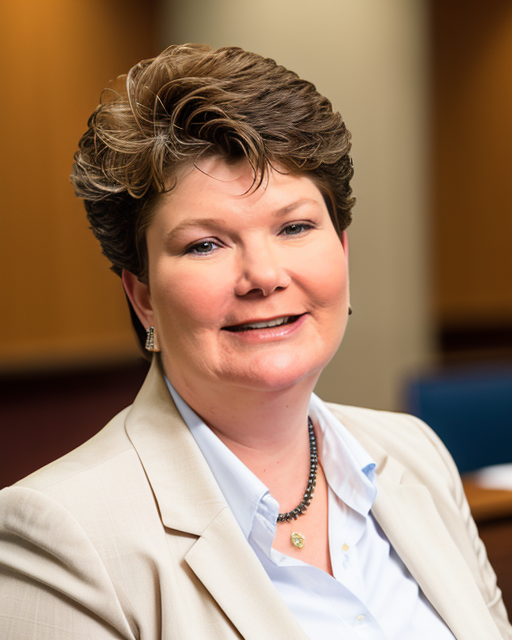
Dr. Tracee J. Swank serves as a nonprofit ministry coach, consultant, author, and speaker. With a Doctor of Ministry in Kingdom entrepreneurship, she coaches pastors, church leaders, and ministry entrepreneurs toward missional clarity, innovative strategy, and Kingdom impact. She brings over 25 years of experience guiding leaders and congregations through renewal, revitalization, and reimagined mission. Connect with her at tracee@churchdoctor.org.