
If you have started hearing the word microchurch and are not entirely sure what it means, you are not alone. It is a term that gets used in a lot of different ways, and the conversation can feel overwhelming before it even gets interesting.
So let’s start simply. And then understand why this matters for the congregation you are leading right now.
A Working Definition
A microchurch is a small, intentional Christian community, typically between 10 and 30 people, that functions as a full expression of church rather than a small group or ministry program. It gathers regularly for worship, prayer, Scripture, and communal life. It practices accountability and relational care. And it is oriented outward, toward mission purposefully within a specific neighborhood, network, or people group.
The key distinction is this: A microchurch is not a ministry that just happens inside a larger church structure. It is itself the church, in a particular place, for a particular people. Microchurches often meet in homes, coffee shops, workplaces, or community spaces. They are led by ordinary people with a sense of calling, not necessarily ordained clergy. And they are designed to multiply: When a microchurch grows beyond its relational capacity, it sends out a core group to form a new expression rather than simply adding seats. They find a new table to sit around and new ministry to carry out.
Is This the Same as House Church?
There is significant overlap. House church is a broader category that includes many expressions of small, home-based Christian community. Microchurch tends to carry a stronger emphasis on intentional structure, missional orientation, and networked accountability. This means microchurches are typically connected to other microchurches and to a broader movement or organization rather than operating in isolation.
Why Does This Matter for Your Church?
Many established church leaders are holding a quiet tension: The congregation is faithful, the people are committed, the ministry is real, and yet the church is not reaching the people it once reached. Younger generations are largely absent. Neighbors who live within a mile of the building have no meaningful connection to the community. The tools that have always worked are producing different results in a different cultural moment.
Microchurch does not solve all of that by itself. But it offers a different posture toward church, one that moves from “How do we get people to come to us?” to “How do we go to where people already are?” Some established churches are exploring microchurch networks as a missional extension of their existing congregation, sending small, equipped communities into neighborhoods and networks the building-based church cannot easily reach. Others are in deeper conversations about what a more significant transition might look like.
Neither path is quick or simple. But both begin the same way: with leaders who are willing to see a working model and ask honest questions about what they are watching. That is what Scattered & Sent: A Microchurch Immersion offers. If you want to learn more from leaders living this out in their church today please consider joining us in Muncie, Indiana, in October.
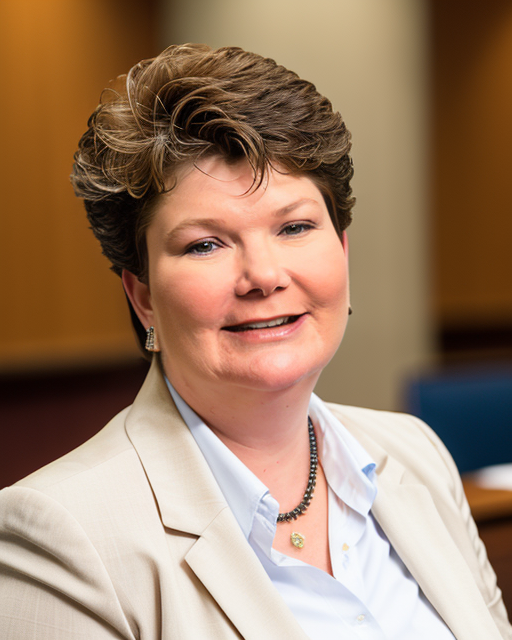
Dr. Tracee J. Swank serves as a nonprofit ministry coach, consultant, author, and speaker. With a Doctor of Ministry in Kingdom entrepreneurship, she coaches pastors, church leaders, and ministry entrepreneurs toward missional clarity, innovative strategy, and Kingdom impact. She brings over 25 years of experience guiding leaders and congregations through renewal, revitalization, and reimagined mission. Connect with her at tracee@churchdoctor.org.