

For many believers, innovation and faithfulness sound like opposites. Innovation suggests change, novelty, and risk. Faithfulness suggests stability, tradition, and holding the line. So when someone proposes innovating in the church, a reflexive alarm goes off. Are we about to compromise the truth to chase the culture? That fear is understandable and sometimes warranted. But the assumption underneath it is mistaken. Innovation, rightly understood, is not the enemy of faithfulness. It is one of its disciplines.
The key is to separate two things that often get confused. There is the message, and there is the method. The message is the Gospel, the unchanging truth of who God is and what He has done in Jesus Christ. That never changes, never bends, never updates. To alter the message is not innovation. It is unfaithfulness. But the method is how we carry that unchanging message to a changing world, and the method has always been meant to adapt. Confusing the two is the root of most of our anxiety. Faithful innovation guards the message precisely by being willing to change the method.
Scripture is full of this pattern. God’s people continually adapted their approaches while remaining rooted in unchanging truth. The tabernacle became the temple. The temple gave way to synagogues scattered across the world. The early church met in homes, then in borrowed halls, then in dedicated buildings, constantly improvising new ways to gather, teach, and send. Paul is the clearest example of all. He preached one Gospel, but he preached it in synagogues to Jews, in the marketplace to skeptics, in a philosophers’ forum to Greek intellectuals, and in homes to ordinary families. He became all things to all people not by changing the message but by relentlessly adapting the method so that by all possible means some might be saved (1 Corinthians 9:22).
That phrase deserves weight. By all possible means. Paul treated methodological flexibility as a Gospel obligation, not a concession. If a method was no longer reaching people, he changed it because the goal was never the method. The goal was the people the method was supposed to reach. A church that clings to a method long after it has stopped reaching anyone has not been faithful. It has confused its preferences with its mission.
This is why innovation is properly understood as a discipline, not a personality trait. A discipline is something a faithful church practices on purpose, again and again, whether or not it feels natural. The discipline of innovation means regularly holding every ministry up to the light and asking an honest question: Is this still effectively serving the mission Christ entrusted to us in our actual community? Not: Do we like it? Not: Have we always done it? But: Is it still working to reach people and form disciples right now? That question, asked honestly and often, is faithful stewardship of the methods God has given us.
Refusing to ask it is not the safe, faithful choice it pretends to be. A church that never innovates is not preserving the Gospel. It is slowly entombing the Gospel inside methods that no longer carry it to anyone. The world outside changes whether a church adapts or not. Communities shift, languages of meaning change, the ways people gather and trust and decide all evolve. A church frozen in a previous era’s methods is not being faithful to the unchanging Gospel. It is being unfaithful to the unchanging command to take that Gospel to a changing world.
There is a guardrail, and it matters. Innovation in the church must always serve the mission, never the leader’s ego or the appetite for novelty. Change for the sake of change is not a discipline. It is restlessness, and people can sense it. The test of any innovation is simple: Does this help us reach people and form disciples more faithfully, or does it just make us feel current? Faithful innovation is always tethered to the mission and submitted to Scripture. Untethered, it becomes its own kind of unfaithfulness.
So let your church practice innovation as the discipline it is. Hold the message with absolute conviction and hold your methods with an open hand. Examine your ministries honestly and have the courage to change what no longer serves the mission. This is not a drift from faithfulness. It is what faithfulness has always required of a people sent to carry an unchanging Gospel into a world that never stops changing.
If your church wants to innovate faithfully, holding the message steady while adapting the method, Church4Today can guide you. We help established churches practice innovation as a discipline tethered to the mission. Find out where to start: https://church4today.com/get-started/
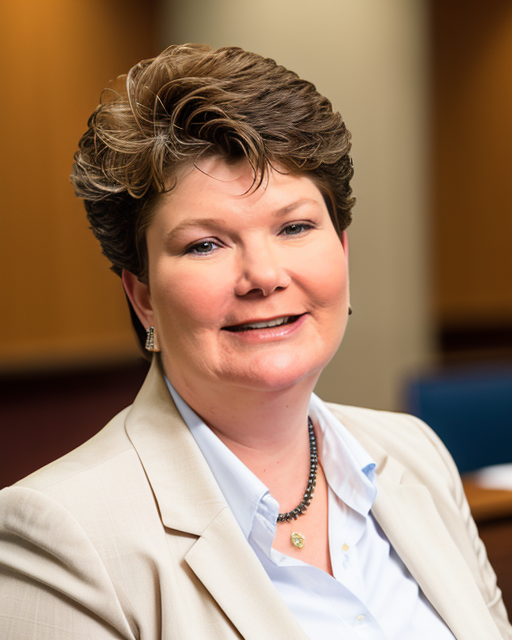
Dr. Tracee J. Swank serves as a nonprofit ministry coach, consultant, author, and speaker. With a Doctor of Ministry in Kingdom entrepreneurship, she coaches pastors, church leaders, and ministry entrepreneurs toward missional clarity, innovative strategy, and Kingdom impact. She brings over 25 years of experience guiding leaders and congregations through renewal, revitalization, and reimagined mission. Connect with her at tracee@churchdoctor.org.