
I have watched leaders return from microchurch learning experiences and make the same pattern of mistakes. They come home energized, they have seen something that felt genuinely alive, and they begin immediately trying to replicate the structure: the small groups, the decentralized gatherings, the neighborhood focus. But they do not do the harder and slower work of examining the assumptions underneath their existing model.
The structure changes. The theology does not. And within months, the new structure is producing outcomes that look a great deal like the ones from the old structure—because the same assumptions are still driving the decisions. Microchurch is not primarily a structural shift. It is a theological one. And until the theology shifts, the structure will not hold.
The Assumptions Worth Examining
Every model of church is built on a set of theological assumptions, most of which operate below the surface of daily decision-making. What is the church’s primary purpose? Who is responsible for the mission? How does growth happen? What does faithfulness look like? These assumptions shape everything: how leaders spend their time, how resources are allocated, how success is measured, what gets celebrated, and what gets cut.
A congregation whose scorecard is oriented primarily toward gathering, attendance, and internal program delivery is operating from a particular set of theological assumptions, and those are not wrong assumptions. Gathering, worship, teaching, and communal care are genuine and essential expressions of the body of Christ. The question is whether those assumptions are complete. Whether they account for the full scope of the Great Commission. Whether they leave room for the sent dimension of the church to receive the same structural investment as the gathered dimension.
Microchurch asks that question at the level of ecclesiology: What is the church for? Who is it for? And the answers it surfaces require not just new programs but a new imagination for what faithful Kingdom participation looks like in a particular place and time.
Metanoia: A Transformed Mind
For leaders whose entire formation has been oriented around gathered church models, this kind of reorientation is not a minor adjustment. It is what the New Testament calls metanoia: a transformed mind, a complete reorientation of thinking. The Greek word, from meta (change) and nous (mind or understanding), is often translated “repentance” in the New Testament. It carries both cognitive and volitional dimensions: not merely thinking differently but turning in a new direction entirely.
That kind of shift takes time, community, and embodied encounter with something genuinely different. It cannot happen from a book alone. It requires being in the presence of a community that is already living from a different set of assumptions, asking questions in real time, and beginning to see the possibility of a different expression of faithfulness.
What Changes When the Thinking Changes
When leaders genuinely internalize a sent theology, the questions they ask about their congregation begin to change. The scorecard expands. They begin to ask not only “How many are coming?” but “How are we going?” Not only “What is the attendance?” but “What is the multiplication?” Not only “How do we sustain what we have?” but “What does the missio Dei require of us in this neighborhood, in this city, in this moment?”
Scattered & Sent: A Microchurch Immersion is designed to be that kind of encounter. Four days inside a community that is already asking these questions, already living from a sent theology, and already producing disciples who are multiplying the mission. It is not enough to complete the journey. But it is more than enough to begin it.
October 9-12, 2026. Muncie, Indiana. Registration closes September 1.
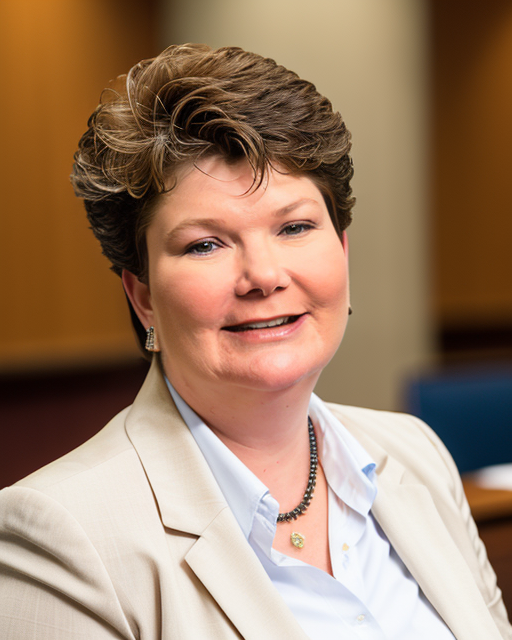
Dr. Tracee J. Swank serves as a nonprofit ministry coach, consultant, author, and speaker. With a Doctor of Ministry in Kingdom entrepreneurship, she coaches pastors, church leaders, and ministry entrepreneurs toward missional clarity, innovative strategy, and Kingdom impact. She brings over 25 years of experience guiding leaders and congregations through renewal, revitalization, and reimagined mission. Connect with her at tracee@churchdoctor.org.