
For most of church history in this country, congregations could assume a baseline. People walking through the doors usually knew the basic Bible stories, recognized the major holidays, and shared some sense of Christian moral vocabulary. Discipleship could start in the middle because the foundation was already poured. That world is gone, and pretending otherwise is one of the quiet reasons so much of our discipleship is not working.
Many people entering churches today carry little biblical literacy and no church background at all. They have never heard the story of the prodigal son. They do not know why Easter matters. They are not lapsed Christians returning to a familiar faith. They are spiritually curious people encountering Christ for the first time, often in adulthood. If our discipleship assumes a foundation that is not there, we will lose them, and we will not understand why.
So we have to rethink discipleship from the ground up, and the place to start is the way Jesus actually did it. He did not hand His followers a curriculum and quiz them on it. He called 12 people to live alongside Him. He formed them through relationship, shared meals, real ministry, hard questions, public failure, and constant conversation. Discipleship in the Gospels is not primarily the transfer of information. It is the transformation of a life through sustained closeness to Jesus and to others following Him. We have too often reduced it to a class. He made it a way of life.
This matters enormously in a post-Christian culture because the people we are now reaching do not need more content. Content is everywhere. They can find a thousand sermons on their phones. What they cannot find is belonging. They are starved for a community that will know them, walk with them, and show them what following Jesus actually looks like in the ordinary moments of a week. For them, belonging will come before believing and formation will happen through relationship long before it happens through instruction.
Healthy churches in this moment build cultures, not just programs. A culture is the air a community breathes. It is the set of relationships, habits, and everyday practices that form people almost without their noticing. When a new believer is folded into a group that prays together, eats together, reads Scripture together, confesses to one another, and serves the neighborhood together, that person is being discipled by the whole rhythm of the community, not just by the teaching. That is how Jesus formed people, and it is how people are still formed best.
This also means we have to stop measuring discipleship by participation in church activities. A person can attend everything your church offers and remain entirely unchanged. The goal was never to produce reliable volunteers who keep the machine running. The goal is to produce mature followers of Christ who can represent Him faithfully in the places where He has actually sent them. The test of your discipleship is not what happens in the building. It is what happens in the home, the workplace, the school, and the neighborhood when no one from church is watching.
It is worth naming what this costs a church because the cost is real, and many congregations balk at it. Relational, lived discipleship cannot be scaled the way a program can. It does not run on a six-week curriculum with a tidy completion certificate at the end. It asks mature believers to open their lives, to invite new people into their homes and routines, to walk patiently with someone who knows nothing and may unlearn slowly. It is inefficient, personal, and often inconvenient. But efficiency was never the goal. Jesus poured three years into 12 people, and one of them still betrayed Him. He chose depth over speed every time, and so must we because shallow disciples produced quickly will not stand, while deep disciples formed slowly will reproduce.
That reframes everything. If discipleship is about forming sent people, then we equip believers not merely to serve inside the congregation but to carry Christ into their daily worlds. We help them see their job as a mission field. We help them love their literal neighbors. We help them answer the questions their coworkers are actually asking. The aim is not a busier church. It is a sent church.
This is harder than running a program, and slower, and far more personal. It cannot be automated or rushed. But it is the only kind of discipleship that forms people who last. The culture around us has changed more than we have admitted. Our discipleship has to grow up to meet it, not by watering down the truth but by recovering the relational, lived, sent way Jesus formed disciples in the first place.
Rebuilding discipleship for a post-Christian culture is hard, patient work, and you do not have to design it alone. Church4Today helps established churches form sent disciples through relationship and everyday practice, not just programs. Find out where to start: https://church4today.com/get-started/
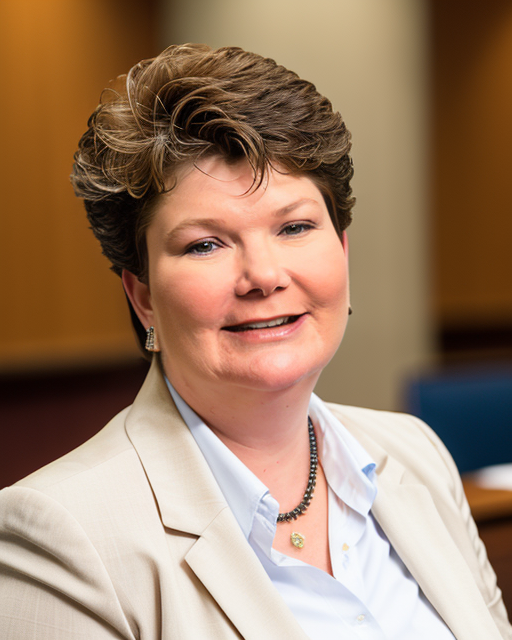
Dr. Tracee J. Swank serves as a nonprofit ministry coach, consultant, author, and speaker. With a Doctor of Ministry in Kingdom entrepreneurship, she coaches pastors, church leaders, and ministry entrepreneurs toward missional clarity, innovative strategy, and Kingdom impact. She brings over 25 years of experience guiding leaders and congregations through renewal, revitalization, and reimagined mission. Connect with her at tracee@churchdoctor.org.