
Why Faithful Ministry Was Never Meant to Be a Solo Assignment
There is a lie many ministry leaders believe. Most would never say it out loud, and many don’t even realize they believe it. But it quietly shapes their calendars, their leadership, and eventually their exhaustion. The lie sounds something like this, “If I don’t do it, it won’t get done right.” Or maybe, “It’s my responsibility.” Or perhaps, “A good pastor should be able to handle this.”
At first glance, those statements sound responsible. They sound committed. They even sound faithful. But over time, they create something dangerous. They create leaders who carry far more than God ever intended them to carry. And eventually, they create burnout.
When Faithfulness Becomes a Burden
Most pastors enter ministry with servant hearts and genuinely want to help people. They care deeply about the church, want to be available, and want to lead well.
The problem begins when servant-hearted leadership slowly turns into functional martyrdom. Every task becomes your task—and every decision your decision. Every ministry challenge becomes your burden to carry.
Soon you’re planning events, solving conflicts, managing volunteers, answering emails, handling administration, casting vision, preparing sermons, attending meetings, and trying to be present for your family—all while wondering why you feel perpetually exhausted. The irony is that many leaders view this as faithfulness. But what if it’s actually a misunderstanding of how God designed the church to function?
The Church Was Never Built Around One Person
One of the most revolutionary ideas in the New Testament is that ministry belongs to the whole body of Christ. Read Paul’s letters and you’ll notice something surprising. A church isn’t described as an audience. It’s described as a body. A body with many parts and where every member contributes. A body where every person has gifts entrusted to them by the Holy Spirit.
Yet many churches unintentionally operate as if ministry belongs primarily to the pastor. The congregation receives while the pastor provides. The congregation watches, and the pastor performs. The congregation participates occasionally, but the pastor carries the weight. Eventually, everyone loses.
The pastor becomes overwhelmed. The congregation becomes underutilized. And the mission becomes constrained by the capacity of a single leader. That was never God’s design.
The Hidden Cost of Doing Everything Yourself
Most leaders recognize the personal cost of carrying too much. What they often miss is the ministry cost. Every task you refuse to release has consequences. When you hold on to responsibilities others could carry:
-
You lose time for the work only you can do.
-
You reduce your capacity for vision and innovation.
-
You limit the church’s ability to grow.
And perhaps most importantly, you prevent others from stepping into the gifts God has given them.
Think about that for a moment. What feels like faithfulness may actually be limiting someone else’s opportunity to serve. What feels like responsibility may be restricting the development of future leaders. What feels like helping may actually be hindering. That’s a difficult truth, but it is also an incredibly freeing one.
The Difference Between Delegation and Discipleship
Many pastors dislike the word delegation. It feels corporate, transactional, and cold. But healthy delegation in ministry isn’t about off-loading work. It’s about activating people. It’s discipleship and leadership development. It’s helping people discover that they are not merely attendees; they are ministers.
When you invite someone into meaningful responsibility, you are doing more than filling a gap. You are creating ownership and building confidence. You are helping them discover gifts they may never have recognized otherwise. You are equipping the saints for works of ministry. In other words, you are doing one of the central tasks Scripture gives church leaders.
Why Delegation Often Fails
If delegation is so important, why do so many leaders struggle with it? Usually because they approach it incorrectly. They delegate tasks without sharing vision. They assign responsibilities without clarifying outcomes. They hand over work but retain every decision. Then they become frustrated when people don’t meet expectations.
Healthy delegation requires more than assigning work. It requires developing people, and that means providing context. It takes explaining the mission, creating clear expectations, offering support and coaching, and eventually releasing authority along with responsibility.
Leadership multiplication always requires trust and trust always feels risky. But the alternative is far riskier. The alternative is remaining the bottleneck.
Everybody Ropes, and Everybody Rides
There is a phrase often used in entrepreneurial leadership circles: “Everybody ropes, and everybody rides.” It’s a simple reminder that healthy communities thrive when everyone participates. No single person carries the entire load. Everyone contributes according to their gifts. Everyone shares responsibility and ownership.
Imagine what would happen if your church fully embraced that mindset. Imagine volunteers becoming ministry leaders and staff members taking ownership rather than waiting for direction. Imagine gifted members stepping into meaningful service and a church where ministry was no longer dependent on one exhausted leader. That’s not wishful thinking. That’s biblical leadership.
One Question That Could Change Everything
Here’s a simple exercise. Look at your calendar and responsibilities. Then ask yourself, “What am I currently carrying that someone else has the gifts to carry?” Don’t start with 10 things. Start with one task, responsibility, or area where someone else’s gifts could flourish.
Then ask a second question, “Who is waiting for an invitation to step into that opportunity?” The answer may surprise you. Because chances are, God has already placed gifted people around you. The challenge isn’t finding them; it’s trusting them.
The Future of Sustainable Leadership
The future of ministry doesn’t belong to leaders who can carry the most weight. It belongs to leaders who can develop the most people. It belongs to leaders who understand that equipping is more powerful than controlling. It belongs to leaders who activate the body instead of trying to be the body. And ultimately, it belongs to leaders who recognize that faithful leadership is not about doing everything. It’s about helping God’s people become everything God created them to be.
Download the Free Anti-Burnout Blueprint
If you’re tired of carrying more than you were designed to carry, it’s time for a different framework. The Anti-Burnout Blueprint will help you identify the hidden patterns draining your energy, redesign your leadership rhythms, and learn how to transfer weight in healthy, sustainable ways.
Download your free copy today and discover how to lead entrepreneurially without losing your soul.
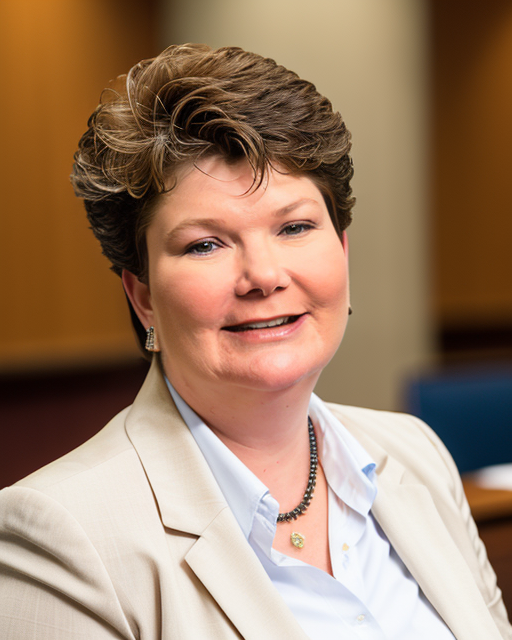
Dr. Tracee J. Swank serves as a nonprofit ministry coach, consultant, author, and speaker. With a Doctor of Ministry in Kingdom entrepreneurship, she coaches pastors, church leaders, and ministry entrepreneurs toward missional clarity, innovative strategy, and Kingdom impact. She brings over 25 years of experience guiding leaders and congregations through renewal, revitalization, and reimagined mission. Connect with her at tracee@churchdoctor.org.