
Walk into almost any gathering of church leaders, and eventually someone will ask, “How many are you worshipping these days?” It is an understandable question because attendance has become the primary scorecard for many churches. We celebrate growing worship services, larger budgets, and expanding programs because they seem to indicate that ministry is thriving.
Yet the New Testament presents a more comprehensive picture of what it means for the Church to flourish. While the book of Acts records remarkable numerical growth, Luke’s emphasis is not simply on larger crowds. The early Church was marked by devoted disciples, generous communities, courageous witness, and leaders who continually equipped others for ministry. Numerical growth was the result of faithful participation in God’s mission, not the mission itself.
The danger comes when churches begin pursuing attendance instead of discipleship. We naturally invest our greatest energy in whatever we measure. If attendance is our primary indicator of success, we will focus on attracting more people to our building. If disciple-making becomes our primary objective, we begin asking different questions.
- Are people growing in spiritual maturity?
- Are they discovering their gifts?
- Are they sharing their faith?
- Are they making disciples who make disciples?
This shift changes how we view our communities. Rather than seeing our neighbors as potential attendees, we begin seeing them as people whom God already loves and is already pursuing. The role of the Church is not merely to invite people to Sunday worship but to join God’s mission throughout the community every day of the week.
Healthy churches certainly desire growth, but they understand that Kingdom impact extends far beyond the sanctuary. A congregation may never become a megachurch and yet profoundly transform its city through faithful discipleship, community engagement, and compassionate service. Conversely, a church may experience impressive attendance while making relatively little difference beyond its walls.
Perhaps it is time to redefine success. Rather than asking only how many people came to church this week, church leaders might ask how many members intentionally lived as ambassadors for Christ in their workplaces, neighborhoods, schools, and homes. Those conversations reveal far more about the health of a congregation than attendance alone.
The Church has never been called merely to build larger audiences. It has been commissioned to make disciples who participate in the mission of God. When churches keep that priority in focus, numerical growth often follows naturally, but even when it does not, the Kingdom continues to advance. That has always been the true measure of faithful ministry.
If you are ready to lead your church by a better scorecard, you do not have to redraw it alone. Church4Today helps established churches trade attendance anxiety for Kingdom impact, bringing entrepreneurial, mission-focused thinking to the work of making disciples. Find out where to start: https://church4today.com/get-started/
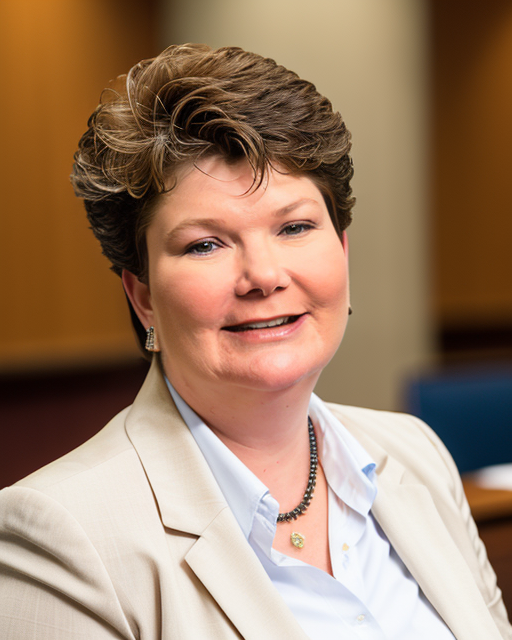
Dr. Tracee J. Swank serves as a nonprofit ministry coach, consultant, author, and speaker. With a Doctor of Ministry in Kingdom entrepreneurship, she coaches pastors, church leaders, and ministry entrepreneurs toward missional clarity, innovative strategy, and Kingdom impact. She brings over 25 years of experience guiding leaders and congregations through renewal, revitalization, and reimagined mission. Connect with her at tracee@churchdoctor.org.